Corrugated
Regular slotted container
Regular slotted container made from corrugated board with four walls, a glue flap, and four flaps each at the top and bottom; the outer flaps meet in the middle.
Opens the online editor with this template. Try it without payment details; export with Pro.
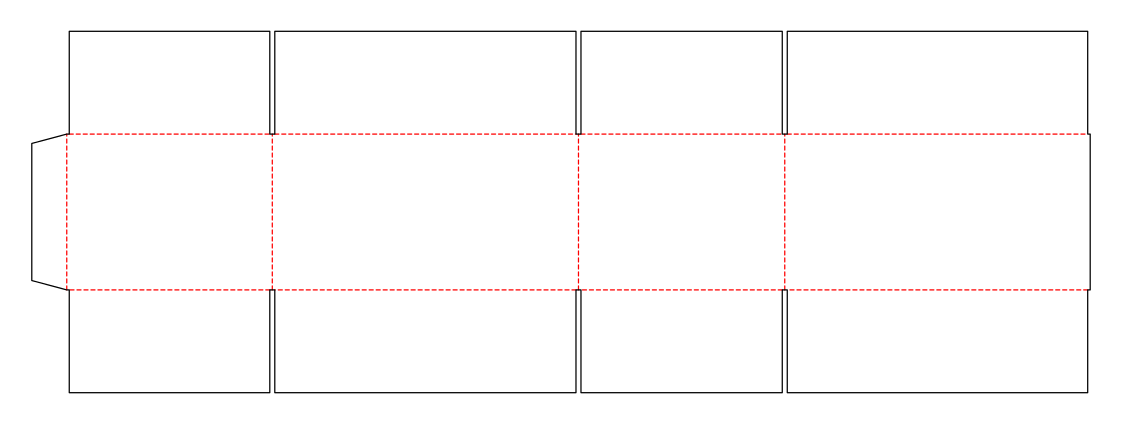
- Template
- Regular slotted container
- Category
- Corrugated
- Dimension reference
- Inside dimensions
- Default dimensions
- 300 × 200 × 150 mm
- Parameters
- 3
- Version
- v1
- Template ID
- corrugated.rsc
Dimensions and limits
Default dimensions of the template and the permitted range in mm.
| Dimension | Default | Range |
|---|---|---|
| Length | 300 mm | 50–1,200 mm |
| Width | 200 mm | 50–1,200 mm |
| Height | 150 mm | 50–1,200 mm |
Parameters of this construction
3 parameters with default value and limits, adjustable in the editor.
| Parameter | Default | Range | Note |
|---|---|---|---|
Glue flapglueFlap | 35 mm | 20–60 mm | Width of the glue flap used to glue the blank into a tube. The material requires a minimum width. |
Glue flap angleglueFlapAngle | 15° | 0–20° | Bevel at the ends of the glue flap; facilitates folding and erection. |
Flap gapflapGap | 5 mm | 0–12 mm | Gap between neighboring flaps or walls; at least approximately the material thickness. |
Assembly
Glue or stitch the glue flap to the opposite wall and lay the box flat. Erect for filling, fold in the inner bottom flaps, close the outer flaps over them, and seal with tape; do the same at the top.
Grain direction
Grain direction parallel to height (check)
Reference note
similar to FEFCO 0201 · classification unconfirmed
Labels such as “similar to FEFCO” or “ECMA family, unconfirmed” are for orientation only. The templates are our own constructions; an assignment to a standard code is unconfirmed and not a trademark claim.
Frequently asked questions about this template
What does similar to FEFCO 0201 mean?
The reference classifies the construction for orientation. It does not reproduce a standard drawing or prove a confirmed classification. This page shows the original parametric construction. Before a binding reference is given, a technical partner must confirm the relationship; public wording therefore remains “similar to.”
Do the outer flaps meet in the middle?
Yes, this construction is designed for a central closure of the outer flaps. Other catalog types address full or partial overlap separately. Material thickness and flap gap affect the result. Check the closed bottom and lid on the sample; the calculated blank alone does not confirm the fit of the tape.
Which dimension reference do I use?
The catalog example uses inside dimensions. These describe the intended space for product and cushioning. Outside dimensions and crease-to-crease dimensions are also supported references. Record the selected reference when handing off. When changing the flute, crease allowance and final fit must be checked again.
Can I use any flute?
The core offers starting profiles for E, B, and C. This does not mean every combination of size, product, and machine is approved. Material minimum, sheet size, and slots are checked with the selected profile. Confirm the result with the production partner and a sample made from the target material.
Is the regular slotted container closed without tape?
The assembly instructions specify tape for the bottom and lid. Gluing or stitching at the side seam first closes the body. For a different closure, you need a suitable construction and an agreed workflow. The catalog reference says nothing about the suitability of an adhesive or tape for your product.
Related templates
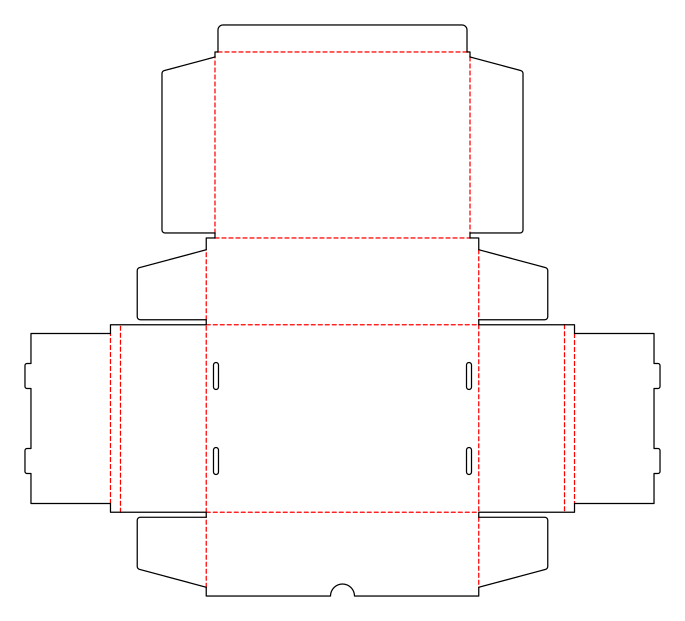 CorrugatedMailer boxcorrugated.mailer
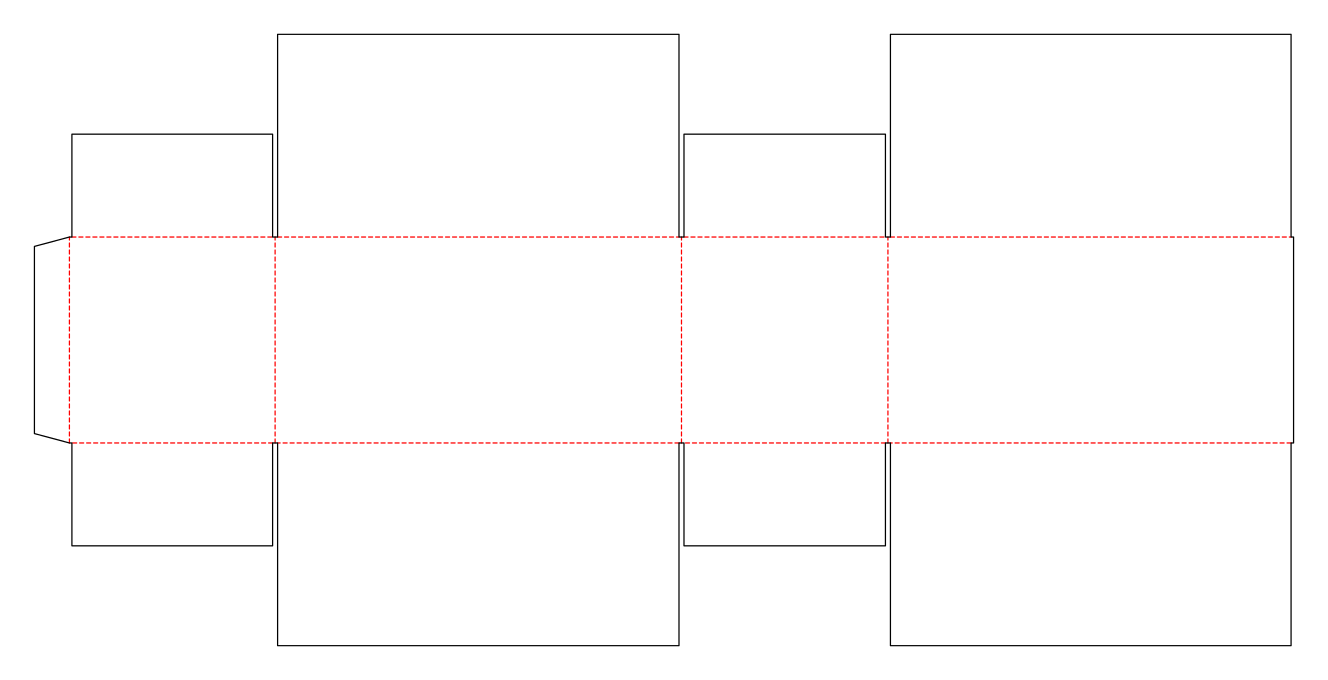 CorrugatedFull overlap slotted containercorrugated.rsc.fulloverlap
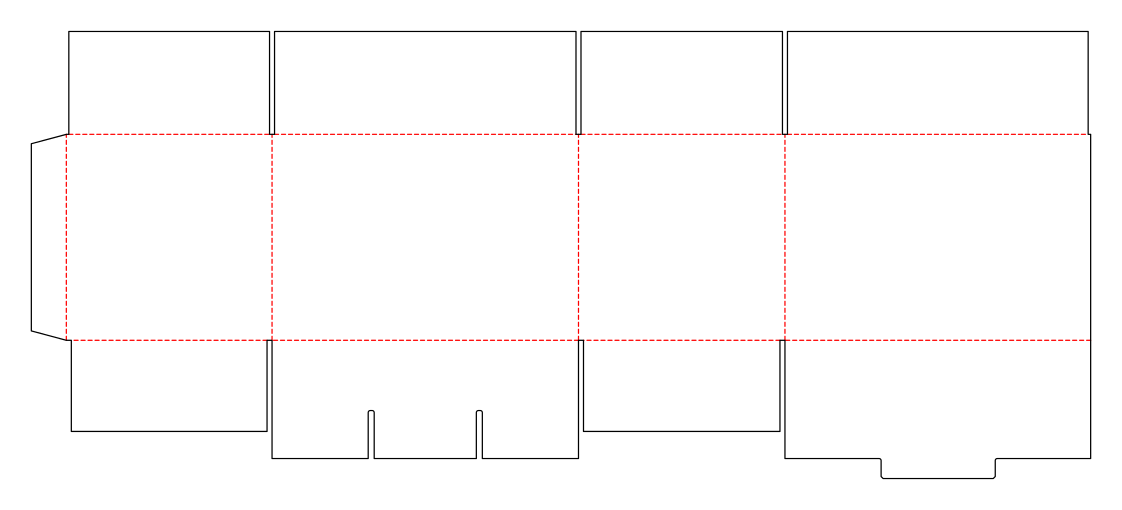 CorrugatedSlotted container with snap-lock bottomcorrugated.rsc.mixed
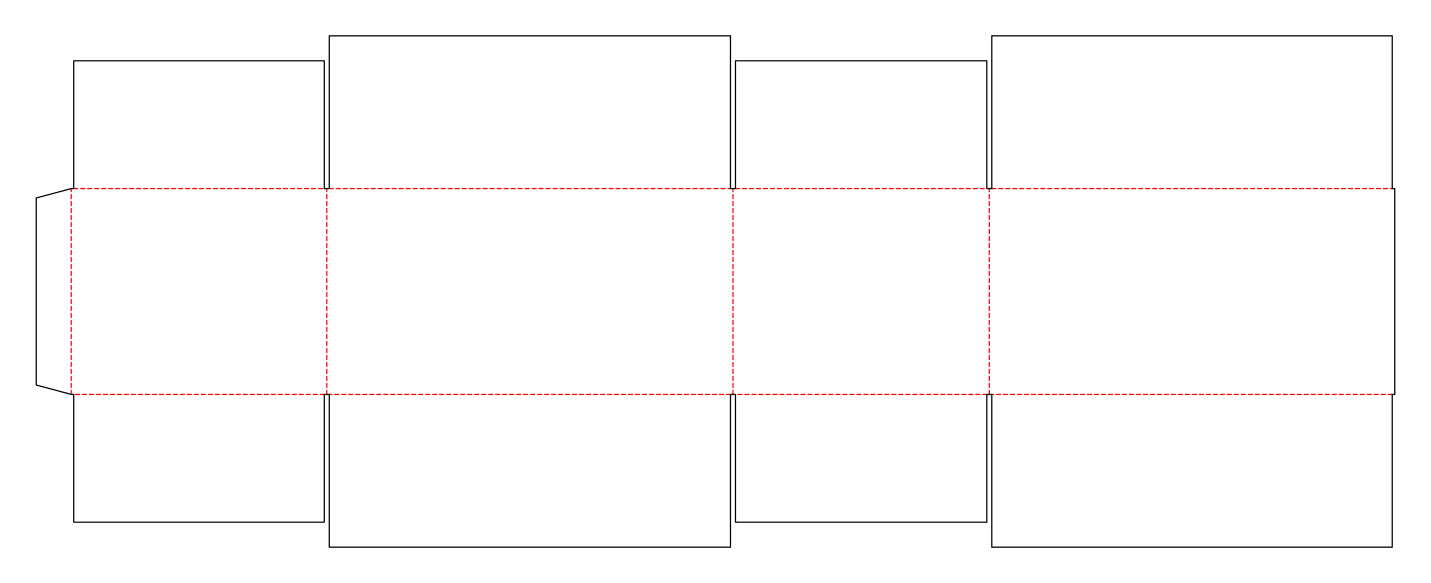 CorrugatedOverlap slotted containercorrugated.rsc.overlap.outer
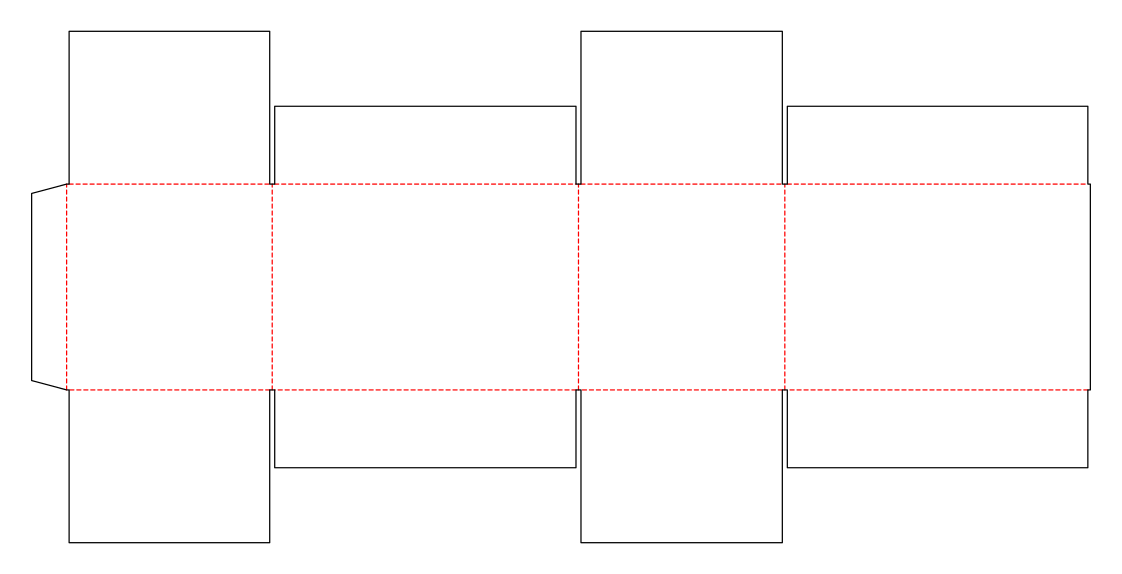 CorrugatedSlotted container with meeting inner flapscorrugated.rsc.innerfull
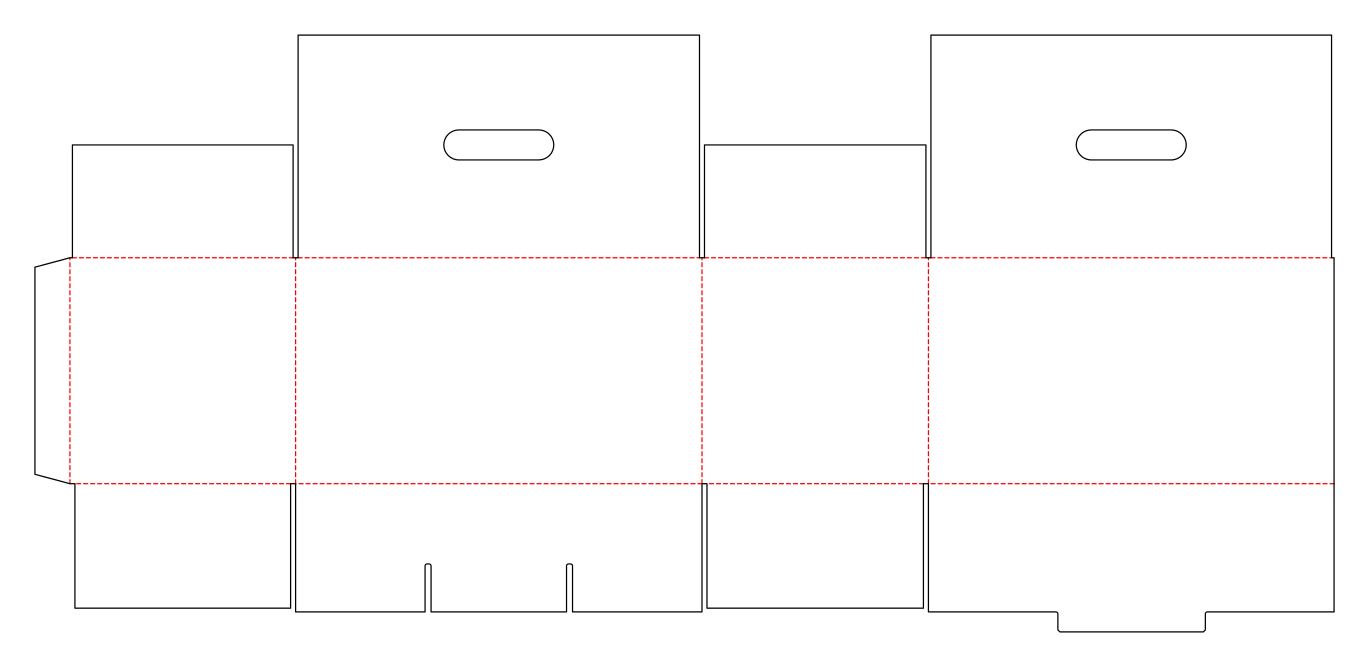 CorrugatedCarry box with hand holecorrugated.handle
Customise the Regular slotted container in your browser
Set dimensions and material, review findings and export print-ready as PDF, SVG or DXF.